
Elementary Programs (K-5th)
K-5th grade students learn about bodies, boundaries, and important safety messages about sexuality.
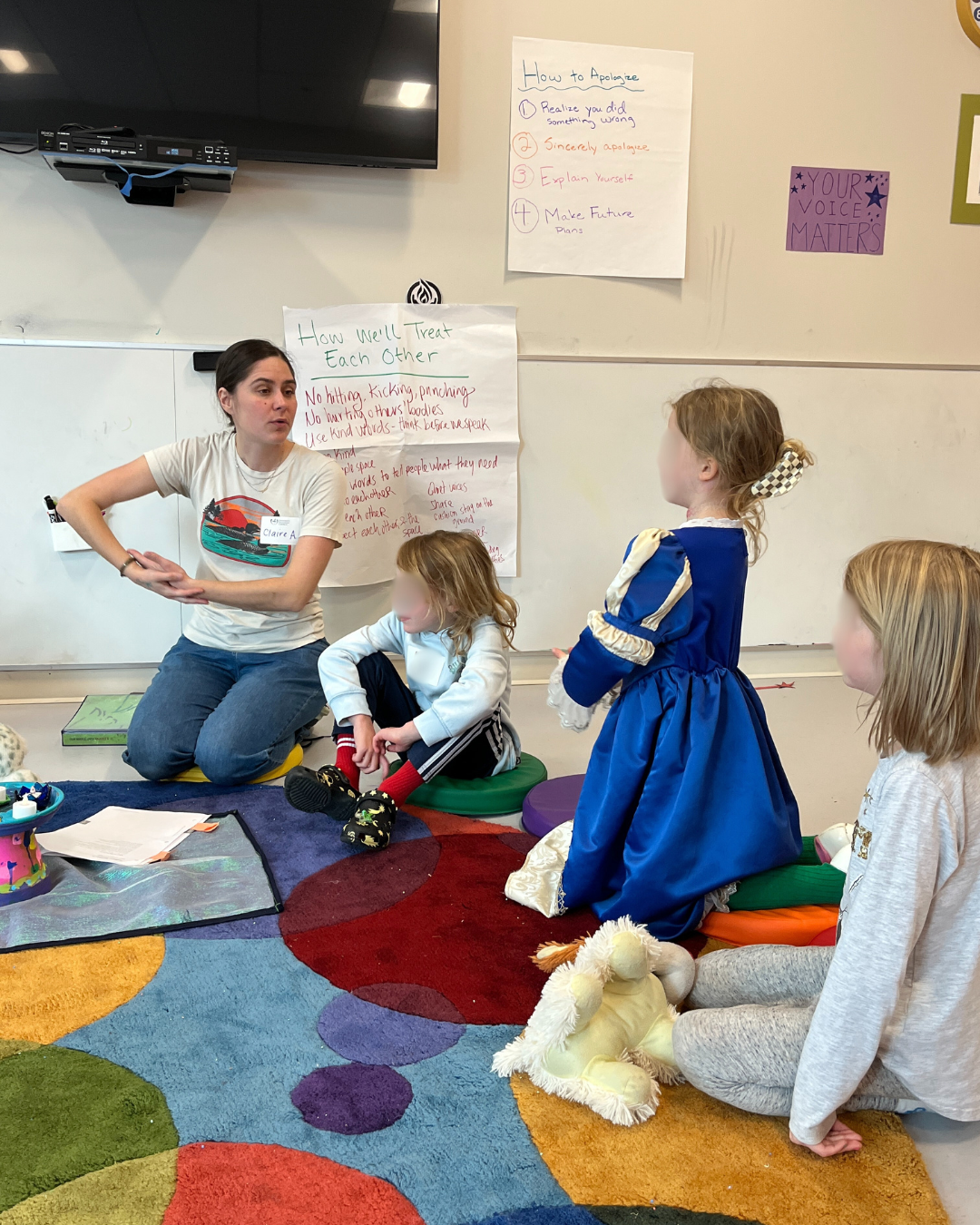
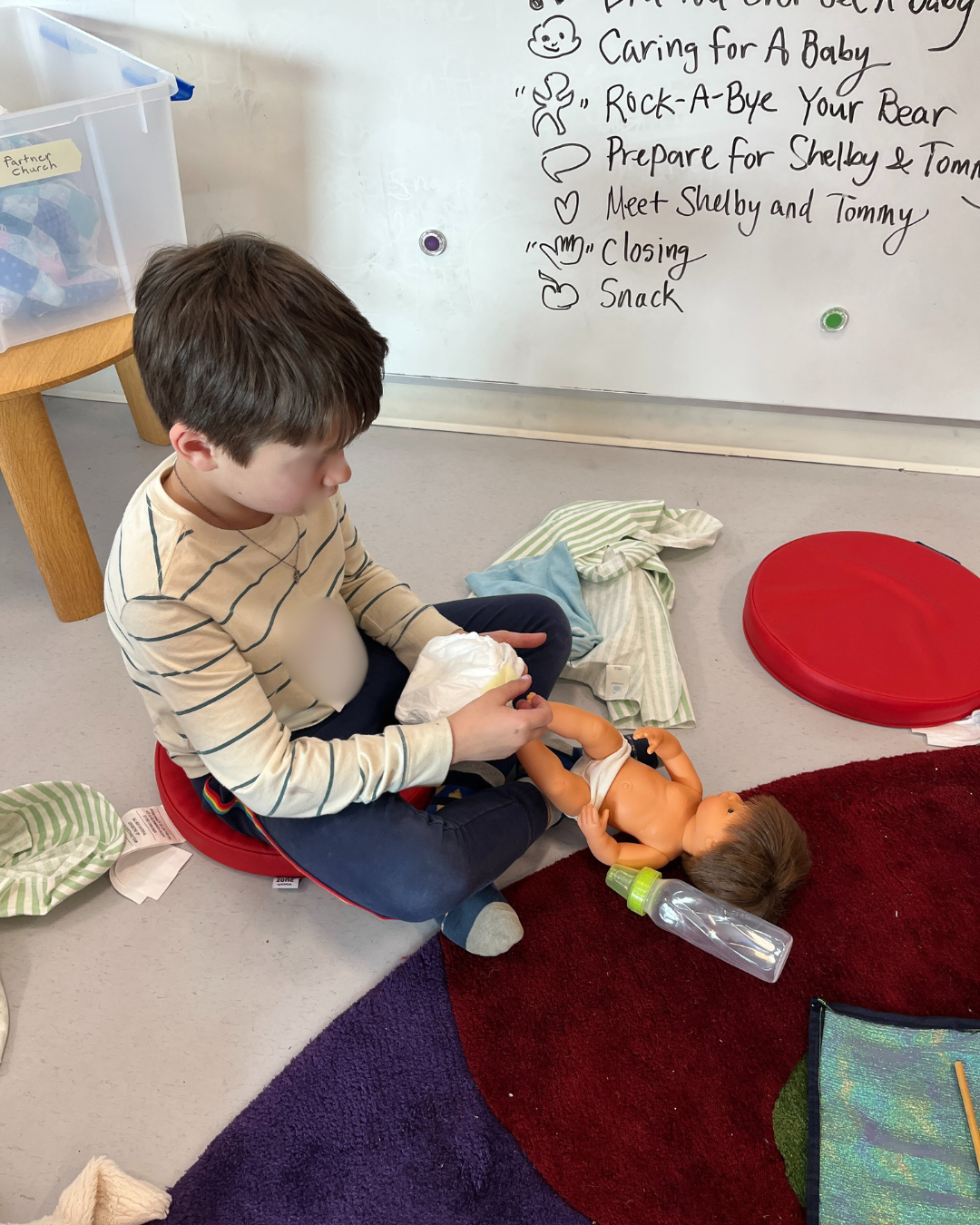
Elementary Program Overview

-
Genital Function and Anatomy
Conception, Pregnancy, Birth
Who’s in a Family?
Gender
Nudity
Self Touch
Body Boundaries
Digital Sexual Content
What is Sex?
-
K-5th Health Education Core Ideas
Wellness (W)
Recognize meaning of healthy and unhealthy. H1.W1.K
Recognize basic hygiene practices. H1.W2.Ka
Understand germs can cause diseases. H1.W3.Ka
Identify ways germs are transmitted. H1.W3.Kb
Demonstrate healthy ways to express needs, wants, and feelings. H4.W6.K
Identify situations when a health-related decision is needed. H5.W7.K
Understand which elements of hygiene are essential to good health. H1.W2.Kb
Describe ways to prevent the spread of germs. H1.W3.1a
Identify verbal and nonverbal communication. H1.W6.1
Demonstrate active listening skills to enhance communication. H4.W6.2a
Identify skills for assertive communication. H4.W6.2b
Demonstrate ways to respond to an unwanted, threatening, or dangerous situation. H4.W6.1
Sexual Health (Se)
Understand boys and girls have some body parts that are the same and some that are different. H1.Se1.K
Understand living things grow and mature. H1.Se2.K
Understand there are many ways to express gender. H1.Se5.K
Recognize ways to express feelings. H1.Se6.Kb
Identify safe and unwanted touch. H1.Se6.Kc
Recognize people have the right to refuse giving or receiving unwanted touch. H1.Se6.Kd
Describe how to tell a trusted adult about unwanted touch. H4.Se6.1
Understand importance of treating others with respect regarding gender expression. H1.Se5.2b
Describe healthy ways for family members and friends to express feelings toward each other. H4.Se6.2a
Explain why unwanted touches should be reported to a trusted adult. H1.Se6.2b
Demonstrate how to tell trusted adults about unwanted touch until action is taken. H4.Se6.2b
Understand humans can reproduce. H1.Se3.3
Understand reproductive organs allow living things to reproduce. H1.Se3.4
Understand how communicable diseases are transmitted. H1.Se4.4
Define human immunodeficiency virus (HIV). H1.Se4.5a
Label medically accurate names for body parts, including internal and external reproductive anatomy. H1.Se1.4
Understand functions of reproductive systems. H1.Se1.5
Identify ways to manage physical, social, and emotional changes that occur during puberty. H7.Se.2.5
Describe how puberty and physical development can vary considerably. H1.Se2.5
Recognize puberty prepares the body for reproduction. H1.Se3.5
Identify methods of transmission and prevention of HIV. H1.Se4.5b
Describe how media, society, and culture can influence ideas regarding gender roles, identity, and expression. H2.Se5.5a
Promote ways to show respect for all people. H8.Se5.5
Identify trusted adults to ask questions about gender identity and sexual orientation. H2.Se5.5b
Explain importance of using social media safely, legally, and respectfully. H1.Se6.5b
Understand how to support a peer to recognize healthy and unhealthy relationships. H8.Se6.5
Define sexual abuse. H1.Se6.5c
Explain importance of communicating with trusted adults about relationships. H2.Se6.4a
Demonstrate positive ways to communicate differences of opinion and feelings while maintaining relationships. H4.Se6.4
Understand ways family, friends, and peers can have a positive or negative influence on relationships. H2.Se6.4b
Identify trusted adults to communicate with about relationships. H4.Se6.3a
Identify positive ways to communicate differences of opinion while maintaining relationships. H4.Se6.3b
Understand that a child is not at fault if an unwanted touch occurs. H1.Se6.3b
Social Emotional Health (So)
Recognize importance of being sensitive to others’ feelings. H1.So4.1b
Identify positive and negative influences on body image. H2.So2.3
Understand influences of family, culture, and media on body image. H2.So2.4
Describe influence of peers and social media on body image. H2.So2.5
Explain how expression of emotions may impact others. H4.So4.4a
Understand how to express empathy. H4.So4.4b
Understand ways to manage difficult emotions. H1.So4.5a
Identify resources for managing emotions. H1.So4.5b
Define sexual harassment. H1.So5.5b
Understand cyberbullying. H1.So5.5c
-
Listed below are a few examples of teaching materials that can be included in elementary classes:
Body safety books
Tossable shooting stars
Playdough
Fidgets
Markers and colored pencils
Book an Elementary Program

1. Fill out the Jotform with information about your educational needs.

2. Finalize details and sign a Service Agreement.

3. Your students learn information and skills in participatory workshops.

4. Receive a follow up email with resources and recommendations.

Have a question? Let’s chat!
Find a time to chat so we can answer your questions and see if we would be a good fit to work together.