
Middle School Programs (6-8th)
6-8th grade students learn about puberty, staying safe online, and fundamental sexual health concepts.
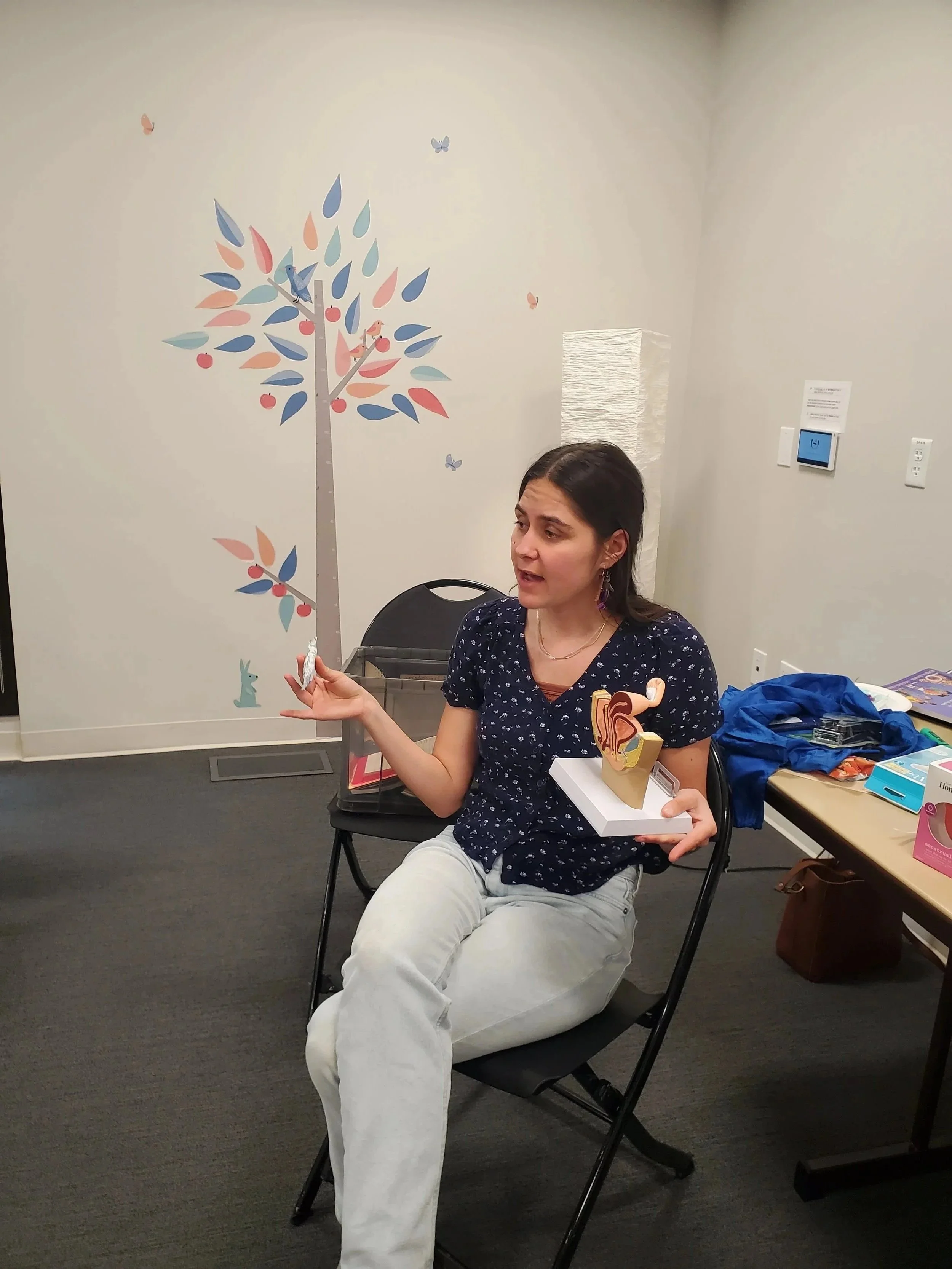
Middle School Program Overview

-
Genital Anatomy and Function
Puberty
Conception, Pregnancy, and Birth
Gender
Self Touch
Boundaries
What is Sex?
Digital Literacy: Online Sexual Media
-
6-8th Health Education Core Ideas
Wellness (W)
Describe how peers, media, technology, culture, and family influence health decisions and behaviors. H2.W3.7
Analyze validity and reliability of health and wellness information and products. H3.W4.7
Analyze how personal choices contribute to communicable and noncommunicable diseases. H7.W2.8a
Sexual Health (Se)
Identify parts of the reproductive systems. H1.Se1.6
Identify physical, social, mental and emotional changes that occur during puberty. H1.Se2.6
Describe the stages of a pregnancy from fertilization to birth. H1.Se1.7b
Summarize reproductive systems and their functions, including the path of an egg during ovulation and the path of sperm during ejaculation. H1.Se1.8a
Identify physical, emotional, and social effects of sexual activity. H1.Se1.8b
Recognize external influences that shape attitudes about gender identity, gender expression, and sexual orientation. H2.Se3.8
Define abstinence and explain why it is the most effective method to prevent pregnancy and sexually transmitted infections (STDs), including HIV. H1.Se4.6a
Explain how STDs are transmitted and prevented. H1.Se4.6b
Identify examples of protective factors and risk behaviors. H1.Se4.6c
List and describe commonly used methods of birth control, including abstinence. H1.Se4.7a
Describe methods to prevent the transmission of STDs/HIV, including abstinence. H1.Se4.7b
Understand that all STDs are treatable and many are curable. H1.Se4.7c
Identify medically accurate information about STDs. H3.Se4.7
Summarize ways to prevent pregnancy and STDs. H1.Se4.8a
List steps to using a condom correctly. H7.Se4.8
Identify medically accurate resources about contraceptive methods, STDs/HIV, and pregnancy. H3.Se4.8
Summarize signs, symptoms, potential impact, and treatment of STDs. H1.Se4.8b
Describe personal role in protecting one’s own sexual and reproductive health. H7.Se4.8
Explain importance of talking with a family member and other trusted adults about relationships. H3.Se5.6
Identify ways to communicate effectively in a variety of relationships. H1.Se5.6a
Recognize that everyone has the right to set boundaries based on personal values. H1.Se5.6b
Describe characteristics of healthy and unhealthy relationships. H1.Se5.7
Demonstrate communication skills that foster healthy relationships. H4.Se5.7a
Explain importance of setting personal boundaries and showing respect for the boundaries and values of others. H4.Se5.7b
Explain how to build and maintain healthy family, peer, and dating relationships. H1.Se5.8a
Define sexual consent and identify ways that consent can be communicated and accepted. H1.Se5.8b
Analyze the impact of technology and social media on friendships and relationships. H2.Se8.8.
Develop a plan to communicate and maintain personal boundaries and values. H6.Se5.8
Understand which sexual health care services are available to youth. H1.Se6.6a
Understand that there are behaviors that constitute sexual offenses. H1.Se6.6b
Understand that it is illegal to send or post sexually explicit images or messages electronically. H1.Se6.6c
Understand importance of personal responsibility for sexual decisions. H7.Se6.HS
Identify state laws related to sexual offenses, including when a minor is involved. H1.Se6.8b
Explain consequences of sharing sexually explicit pictures or messages. H1.Se6.8c
Social Emotional (So)
Explain how peers and media influence body image. H2.So2.7
Explain importance of understanding other perspectives when resolving interpersonal conflicts. H1.So4.6a
Summarize characteristics of empathy and compassion. H1.So4.6b
Investigate resources for support when dealing with difficult emotions. H3.So4.6
Explain how expressing emotions or feelings can influence others. H1.So4.7b
Compare and contrast the influence of family, culture, and media on how emotions are expressed. H2.So4.8
Explain how harassment, intimidation, and bullying affect individuals, families, and communities. H1.So5.7
Understand that emotional and mental and behavioral health and well-being are as important as physical health and wellbeing. H1.So6.6c
Define stigma related to mental and behavioral health. H1.So6.6d
Demonstrate supportive responses to people who may be experiencing mental and behavioral health disorders. H4.So6.7
-
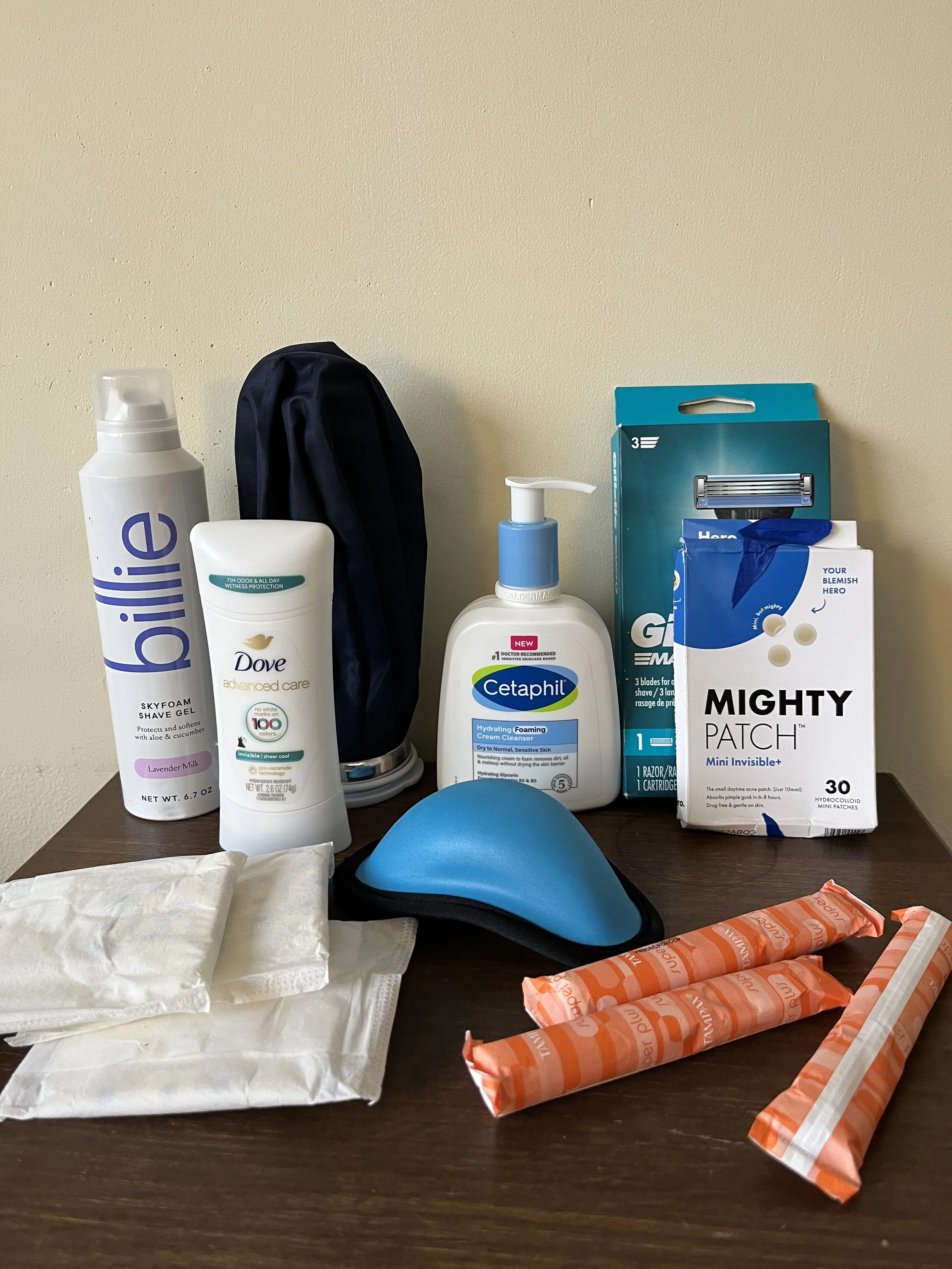
Listed below are a few examples of teaching materials that can be included in classes for tweens.
Hygiene and body care items:
Deodorant, face wash, pimple patches, razors, shaving cream, tweezers, sports bra, sports cup
Menstruation Items:
Tampons, pads, menstrual cup, hot water bottle
Gender affirming puberty items:
Binder, stand-to-pee device, DIY packer, store-bought packer and packing underwear
Book a Middle School Program
1. Fill out the Jotform with information about your educational needs.

2. Finalize details and sign a Service Agreement.

3. Your students learn information and skills in participatory workshops.

4. Receive a follow up email with resources and recommendations.

Have a question? Let’s chat!
Find a time to chat so we can answer your questions and see if we would be a good fit to work together.