
High School Programs (9-12th)
9-12th grade students learn about sexual health practices and develop relationship and media literacy skills.
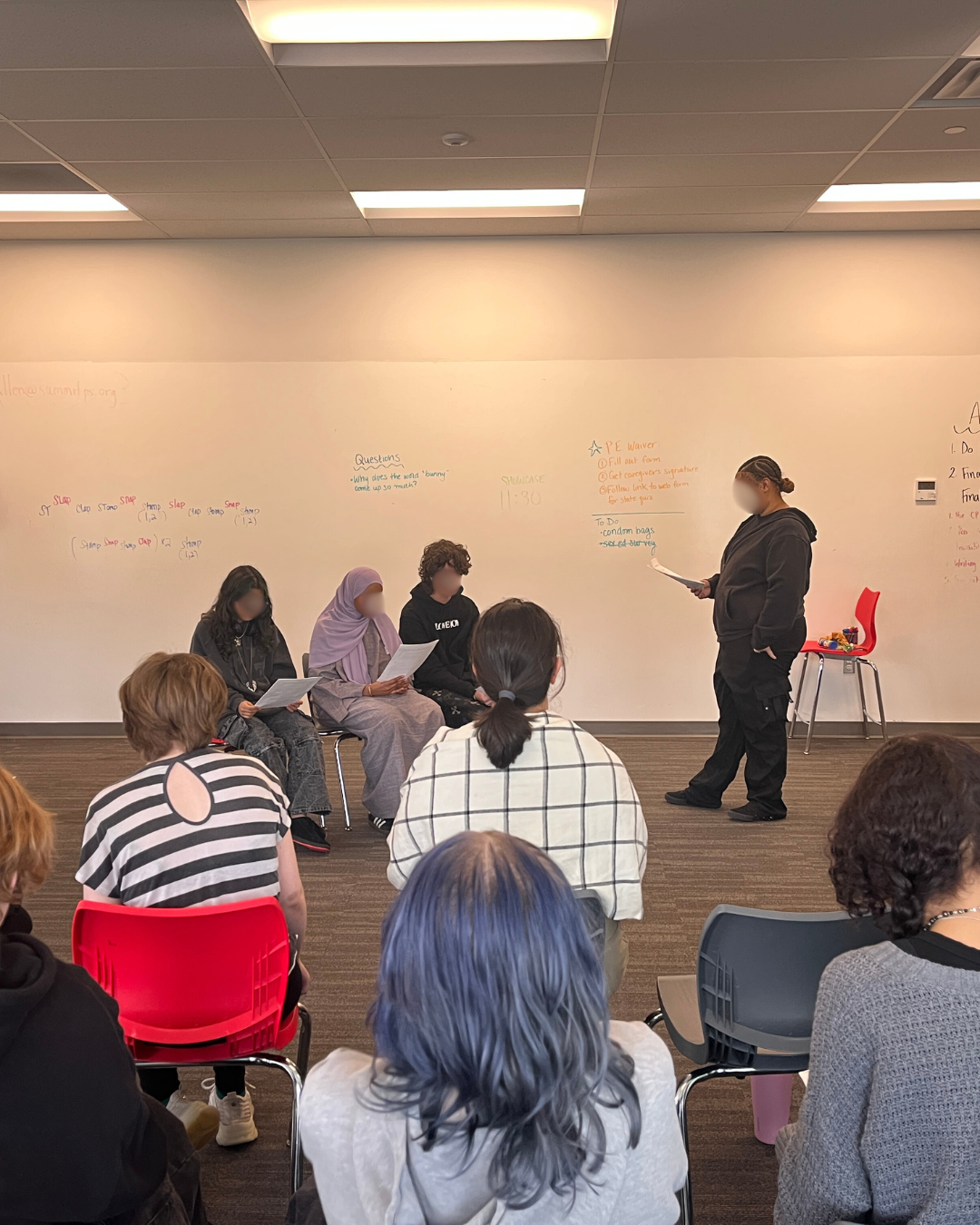
High School Program Overview

-
Genital and Reproductive Anatomy Review
Cultivating Consent and Responding When It’s Broken
Gender and Sexual Orientation
Starting, Improving and Ending Relationships
Types of Sexual Behaviors
Sexually Transmitted Infections: Testing and Disclosure Etiquette
Birth Control and Pregnancy Options
Sexuality and Life Online: Porn Literacy, Informed Sexting, and AI Companionship
-
9-12th Health Education Core Ideas
Wellness (W)
Analyze prevention, lifestyle factors, and treatment of communicable and noncommunicable diseases. H2.W2.HSa
Assess personal risk factors and predict future health status. H2.W2.HSb
Analyze how a variety of factors impact personal and community health. H2.W3.HS
Create a resource that outlines where and how students can access valid and reliable health information, products, and services. H3.W4.HS
Demonstrate strategies to prevent, manage, or resolve interpersonal conflicts without harming self or others. H4.W5.HS
Predict potential short- and long-term outcomes of a personal health-related decision. H5.W6.HS
Implement strategies to achieve a personal health goal. H6.W7.HS
Sexual Health (Se)
Summarize fertilization, fetal development, and childbirth. H1.Se1.HSa
Explain the role hormones play in sexual behavior and decision making. H5.Se1.HS
Describe emotional, social, physical, and financial effects of being a teen or young adult parent. H1.Se1.HSb
Describe behaviors that impact reproductive health. H1.Se1.HSc
Describe steps of testicular self exam and the importance of breast self-awareness. H7.Se1.HS
Explain the physical, social, mental, and emotional changes associated with being a young adult. H1.Se2.HSa
Describe how sexuality and sexual expression change throughout the life span. H1.Se2.HSb
Evaluate how culture, media, society, and other people influence our perceptions of gender roles, sexuality, relationships, and sexual orientation. H2.Se3.HS
Evaluate the effectiveness of abstinence, condoms, and other contraceptives in preventing pregnancy and STDs/HIV. H1.Se4.HSa
Demonstrate steps to using a condom correctly. H7.Se4.HS
Identify local youth-friendly sexual health services. H3.Se4.HS
Understand that people can choose abstinence at different times in their lives. H1.Se4.HSb
Advocate for STD testing and treatment for sexually active youth. H8.Se4.HS
Use a decision-making model to make a sexual health-related decision. H5.Se4.HS
Differentiate between affection, love, commitment, and sexual attraction. H1.Se5.HSa
Compare and contrast characteristics of healthy and unhealthy romantic and sexual relationships. H1.Se5.HSb
Demonstrate effective ways to communicate with a partner about healthy sexual decisions and consent. H4.Se5.HS
Analyze factors that can affect the ability to give or recognize consent to sexual activity. H2.Se5.HS
Identify ways to access accurate information and resources for survivors of sexual offenses. H3.Se5.HS
Describe laws related to accessing sexual health care services. H3.Se6.HS
Understand importance of personal and social responsibility for sexual decisions. H7.Se6.HS
Examine laws and consequences related to sexual offenses, including when a minor is involved. H1.Se6.HSa
Identify laws and concerns related to sending or posting sexually explicit pictures or messages. H1.Se6.HSb
Social Emotional (So)
Advocate for ways to manage or resolve interpersonal conflict. H8.So4.HS
Summarize strategies for coping with difficult emotions, including defense mechanisms. H1.So4.HS
Demonstrate effective communication skills to express emotions. H4.So4.HS
Compare and contrast the influence of family, peers, culture, media, technology, and other factors on harassment, intimidation, and bullying. H2.So5.HS
Identify school and community resources that can help a person with emotional and mental and behavioral health concerns. H3.So6.HSa
-
Listed below are a few examples of teaching materials that can be included in classes for teens.
Birth control examples:
Intrauterine device, pills, emergency contraception
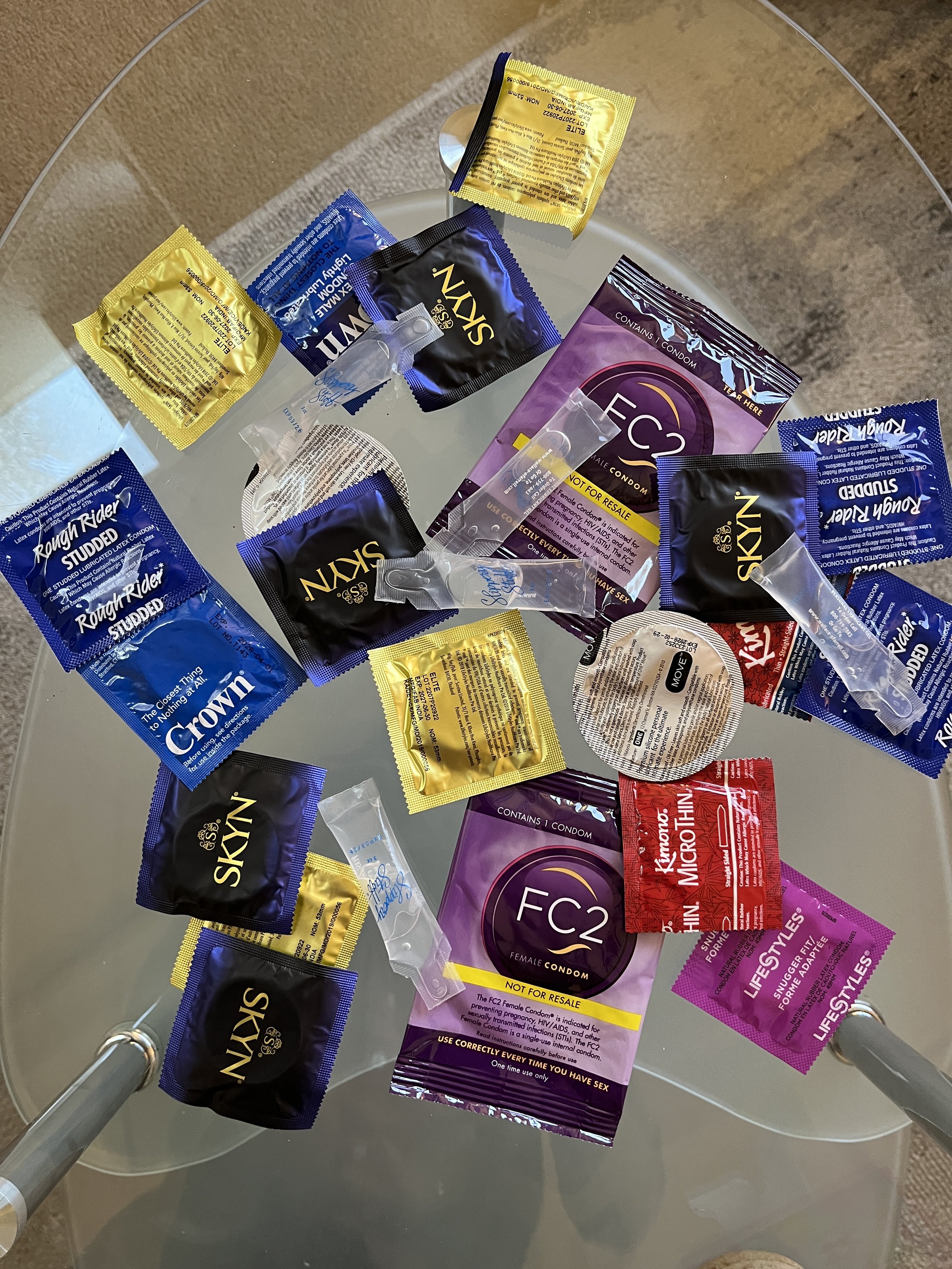
Safer sex supplies:
Internal condom, external condom, lubricant, at home HIV test, dental dam, latex underwear, gloves, internal and external condom demonstrator
Book a High School Program
1. Fill out the Jotform with information about your educational needs.

2. Finalize details and sign a Service Agreement.

3. Your students learn information and skills in participatory workshops.

4. Receive a follow up email with resources and recommendations.

Have a question? Let’s chat!
Find a time to chat so we can answer your questions and see if we would be a good fit to work together.